Is that smell a dead mouse?
A dead rodent smell is sweet and rotten, often compared to spoiled meat. It is usually strongest in one room, near one wall, and gets worse on warm days or when the heat kicks on. Other clues:
- The scratching you heard last week has stopped.
- Someone put out poison bait in the past two or three weeks.
- Small flies collecting at a window or light in one room.
- A stain or damp spot on a ceiling below an attic or second floor.
Smells that are more like sewer gas or rotten eggs can point to a dry floor drain trap or a gas issue. If you smell rotten eggs and have gas appliances, leave the house and call your gas utility first.
How technicians find a dead rodent in a wall
Nobody wants holes cut all over the house, so the search narrows down before anyone touches the drywall.
- Sniff test along the wall at different heights, in the closet behind it, and in the attic or basement above and below. Smell rises and spreads, so the spot where it is strongest at outlet height is often directly below the source.
- Check easy access points first: the basement ceiling, attic floor, under the dishwasher, behind the fridge, inside the HVAC return.
- Use a flexible inspection camera through an outlet box or a small drilled hole when needed.
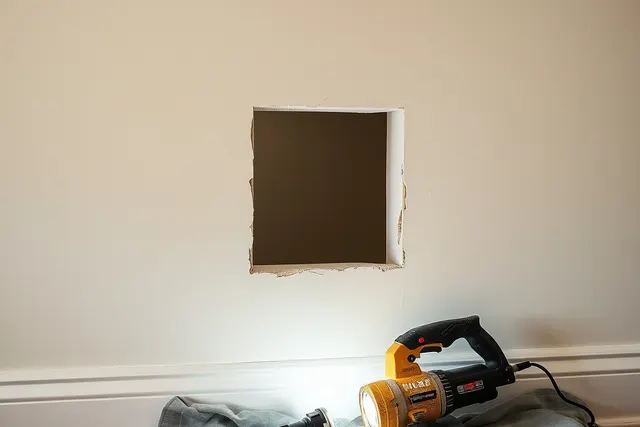
- Cut a small, neat access hole, usually near the baseboard, only once the spot is confirmed.
Once the carcass is out, the area is sprayed with an enzyme cleaner that breaks down the odor compounds, and nesting material or soiled insulation nearby is bagged and removed.
Dead rodent removal cost
Most Ohio dead rodent jobs run $150 to $450. The low end is a carcass that can be reached from the basement, attic or under an appliance. The higher end includes cutting into drywall, odor treatment and a basic patch.
| Situation | Typical range |
|---|---|
| Reachable from attic, basement or crawlspace | $150–$275 |
| Inside a wall, small access hole needed | $250–$450 |
| Odor treatment or fogging added | $75–$200 |
| Drywall patch and paint (often by a handyman) | $100–$300 |
Waiting it out vs. removing it
A single dead mouse in a wall will dry out and the smell will fade, usually within two to three weeks, faster in a dry winter house. Some people choose to wait, and that is a reasonable choice if the smell is mild and in a room you can close off.
Removal makes more sense when it is a rat rather than a mouse (much more smell, for much longer), when the smell is in a bedroom or kitchen, when flies are coming out, or when it is summer and humidity makes it worse. It also makes sense when more than one rodent may have died, which is common after poison has been used throughout a house.
Stopping it from happening again
A dead rodent in a wall almost always means two things: rodents were getting into the wall, and someone used poison. Fix both. Have the entry points sealed through rodent proofing, and switch to trapping for any remaining activity, as described on our mouse control and rat removal pages. Traps let you see and remove what you catch.
Safety when handling a dead mouse or rat
If you find the carcass yourself, wear disposable gloves, spray it and the area with a disinfectant, wait several minutes, then pick it up with a plastic bag turned inside out. Seal it in a second bag and put it in the outdoor trash. Disinfect the spot again and wash your hands even though you wore gloves. Do not vacuum dried droppings or nesting material near it.
Dead rodent in the crawlspace, basement ceiling or vents
Not every dead rodent is inside a finished wall. In Ohio houses with crawlspaces, a smell that seems to rise through the floor of one room often comes from a carcass lying on the vapor barrier below it. The technician crawls in with a light and a respirator, bags the remains, and checks the barrier and nearby insulation for staining. If the crawlspace has an open dirt floor, the soil under the carcass is treated with an enzyme product as well.
In finished basements, dead mice often end up above the drop ceiling tiles or inside the space between joists. Lifting tiles along the wall nearest the smell is usually quicker than cutting drywall. A smell that spreads through several rooms at once, especially when the furnace runs, can point to a rodent inside the return ductwork. That calls for opening the return near the furnace or at a floor register, removing the carcass, and having the duct section cleaned. Do not run the furnace fan constantly in the meantime; it spreads the odor through the whole house.
What to expect on the day of a removal visit
Most dead rodent visits take one to two hours. The technician will want to stand in the room where the smell is strongest, ask when you first noticed it and whether poison was used, then check the floor above and below. Expect them to move furniture away from the suspect wall and lay down a drop cloth before any cutting. A typical access hole is a few inches square, cut low on the wall near the baseboard where a patch is least visible.
Ask before the visit whether the price includes a basic patch or only the removal and odor treatment. Many pest companies leave a clean, square opening and a piece of drywall for a handyman or painter to finish. If you plan to repaint the room anyway, that is often the cheaper route.